• Skip to main content
  • Skip to footer

Pure Health Osteopath Clinic

Osteopaths Weston Super Mare

Our Blog

The Ground-to-Stand Test: What Your Relationship with the Floor Says About Your Longevity | Weston-super-Mare

June 2, 2026 by PureHealth

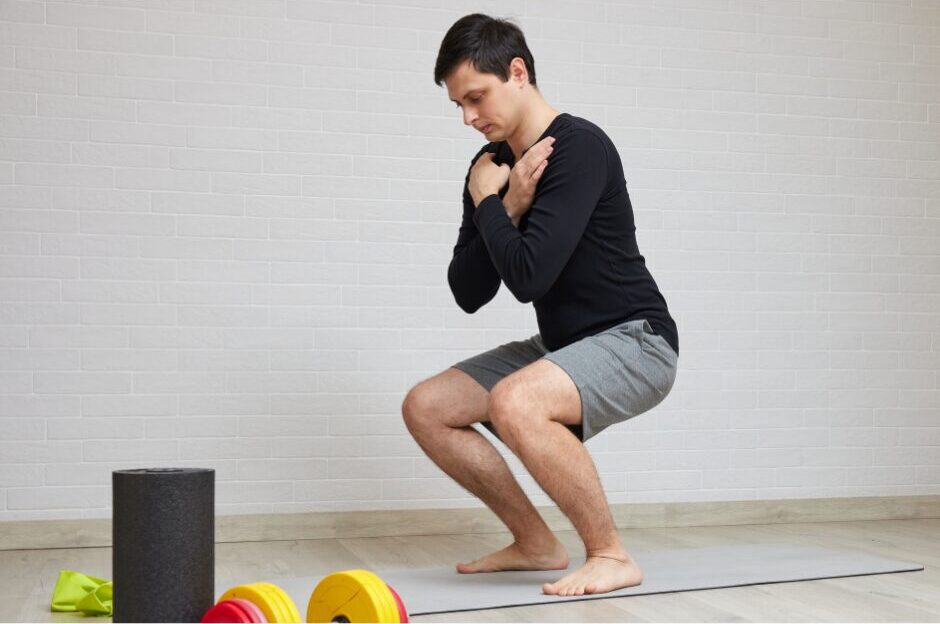
Squat Osteopath Weston Super Mare

When was the last time you sat on the floor? For many of us, as the years go by, the ground becomes a place we actively avoid because it simply feels too far away. We transition to a life spent entirely at waist-height—moving from beds to car seats, to office chairs, and soft sofas.

At Pure Health Osteopath Clinic in Weston-super-Mare, we look at your relationship with the floor as one of the ultimate indicators of functional longevity.

Following on from our recent focus on future-proofing your movement, today we are breaking down the Ground-to-Stand Game—and why keeping your ability to get down to the rug and back up again is your best insurance policy for lifelong independence.

The Prevention Phase: Why Active Adults Need the Floor

If you are in your 20s, 30s, or 40s and consider yourself active, sitting on the floor might not feel like a priority. Your day might be occupied with demanding work at a workbench, prepping meals at a kitchen unit, or working on a professional clinic plinth.

However, by avoiding the floor, you miss out on the best “opportunistic strengthening” your body can naturally get. When you don’t travel all the way to the ground, the deep muscle groups in your hips, core, and ankles forget how to coordinate under your own body weight.

Prevention here means making the floor a normal part of your day. By choosing to sit on the rug to stretch, play with your children, or watch TV, you force your joints to maintain their full mechanical range. You keep your structural framework adaptable so it never becomes heavy, stiff, and sluggish.

The Restoration Phase: Reclaiming Confidence and Independence

In later life, the floor often transforms from a place of rest into a source of anxiety. The fear of getting stuck down there causes many people to stop trying altogether. When we stop moving through that full, deep range, our leg strength diminishes, and our balance systems begin to degrade.

Restoration isn’t about jumping back up to your feet without using your hands on day one. It is about systematically removing that fear and rebuilding your confidence.

You can safely practice this at home by using a sturdy piece of furniture, like a heavy chair or the side of the sofa, as a helper. Practice lowering yourself down to one knee, transitioning to a seated position, and then using the support to assist you back up. By breaking the movement down into manageable pieces, you send a powerful signal to your nervous system that you still expect your legs to carry you.

How to Play the “Ground-to-Stand Game” This Week

To keep your joints honest, try weaving these micro-habits into your normal routine:

  • The “One-Hand” Progression: If you currently need both hands, a knee, and a bit of momentum to get up from the floor, try to use just one hand today. Small, incremental challenges build serious functional strength over time.
  • The Sofa Audit: Notice how low and soft your favorite chair is. If your body never has to work to get out of a seat, it will gradually lose the ability to do so. Spend just ten minutes an evening sitting on the floor instead.
  • The Symmetry Check: Pay attention to which leg you naturally want to step forward with when you stand up. Try switching to your non-dominant side to help distribute your pelvic and hip strength evenly.

Removing the “Handbrakes” with Osteopathy

If your knees click, your lower back pinches, or your ankles feel completely locked solid when you attempt to get down to the ground, it is a clear sign that your joints have adapted too well to a chair-bound world. When one area lacks the flexibility to bend, your body loses its ability to distribute your weight evenly, making the floor feel like an impossible mountain to climb.

As a local Weston-super-Mare osteopath, my goal is to track down these specific mechanical limitations. By releasing restricted joint capsules in the hips, knees, and ankles, and ensuring your pelvis moves freely, we take the extra strain off your lower back. We clear the structural path so that traveling to the floor feels comfortable, safe, and natural at any age.

Your body is designed to interact with the ground, not just sit above it. Whether you’re looking to maintain your physical resilience for a manual trade or preserve your absolute independence into retirement, let’s make sure you stay friends with the floor.

Book Online

Filed Under: Uncategorized

The Balance Bank: How Protecting Your Stability Today Prevents Falls in Later Life | Weston-super-Mare

May 19, 2026 by PureHealth

Ballance better with pure health osteopaths

When you think about physical health and longevity, what comes to mind? For most people, it’s cardiovascular fitness, muscle strength, or perhaps joint flexibility. But there is a silent, foundational pillar of health that we rarely think about until it starts to fade: your balance.

At Pure Health Osteopath Clinic in Weston-super-Mare, we look at balance as a biological bank account. Every time you challenge your stability, you are making a deposit. Every year that passes without maintaining it, a small withdrawal is made.

Following on from our discussion last week about functional longevity, today we’re diving into why your “internal GPS” is the best insurance policy you will ever own—and how to future-proof it whether you are 25 or 75.

The Prevention Phase: Sharpening Your Brain’s “Movement Map”

If you are currently in your youth, 30s, or 40s, you probably take your balance for granted. You step off curbs, walk down the sand on Weston beach, and navigate your day without a second thought.

However, modern life is incredibly flat and predictable. If you spend your working hours standing on flat surfaces at a workbench, prepping at a kitchen unit, or working at a therapy plinth, your ankles and hips are operating in a very narrow comfort zone.

By failing to challenge your balance now, your brain’s internal “map” of where your body is in space begins to blur. Prevention today means a steady stride tomorrow. Making a habit of micro-challenging your balance during your normal workday keeps that map sharp, protecting your joints from unexpected twists and stumbles decades down the line.

The Restoration Phase: Reclaiming Freedom and Confidence

In later life, a decline in balance isn’t just a safety hazard—it is a direct threat to your independence.

As the internal map blurs, it is incredibly common to start “shrinking” your world. You might start avoiding uneven grassy paths, feel anxious on slippery pavements, or hesitate when reaching for a high shelf. This reduction in activity isn’t an inevitable consequence of aging; it’s often just a lack of movement calibration.

It is never too late to make a deposit into your Balance Bank. By safely and progressively introducing balance challenges into your weekly routine, you tell your nervous system to wake up, re-calibrate, and find its centre again. Reclaiming your stability means reclaiming the confidence to enjoy our beautiful Somerset countryside, walk along the seafront, and live without the constant fear of tripping.

Three Ways to Deposit into Your “Balance Bank” Today

You don’t need special gym equipment to train your stability. You can stack these simple habits into your existing routine:

  • The “Uneven” Challenge (Prevention): If your balance is already quite good, try standing on one leg while on a folded towel or a sofa cushion while brushing your teeth. This safely “stress-tests” the micro-muscles in your ankles and forces your brain to work harder.
  • The “Supportive” Start (Restoration): If you feel wobbly, stand on one leg next to your kitchen counter. Keep your hand just a few millimetres above the surface so it’s there to catch you if needed. The goal isn’t a perfect performance; it’s giving your nervous system just enough of a challenge to trigger learning.
  • The “Head Turn” Reset: Once you can stand steady on one leg, try slowly turning your head from left to right. This forces your eyes, your inner ear, and your joints to coordinate together—the exact skill required to cross a busy road safely.

How Osteopathy Helps Clear the “Line”

Sometimes, you can practice your balance every day and still feel unsteady. Why? Because your brain can only work with the data it receives from your body.

If you have a stiff ankle from an old football injury, a locked knee, or chronic tension in your neck, the signals being sent up to your brain are “noisy” and distorted. Your brain can’t stabilize a platform it can’t accurately feel.

As a local Weston-super-Mare osteopath, my job is to track down these physical communication blocks. By releasing restricted joints and easing deep muscle tension, we “clear the line.” This ensures your brain receives clear, accurate information from your feet to your head, making your daily balance habits infinitely more effective.

Don’t wait for a slip or a scare to think about your stability. Whether you’re a manual tradesperson keeping your body resilient for work or looking to maintain your independence into retirement, let’s make sure your balance bank is well in credit.

Book Online

Filed Under: Uncategorized

The Forever Body: Why Functional Longevity is the New Standard for Health in Weston-super-Mare

May 12, 2026 by PureHealth

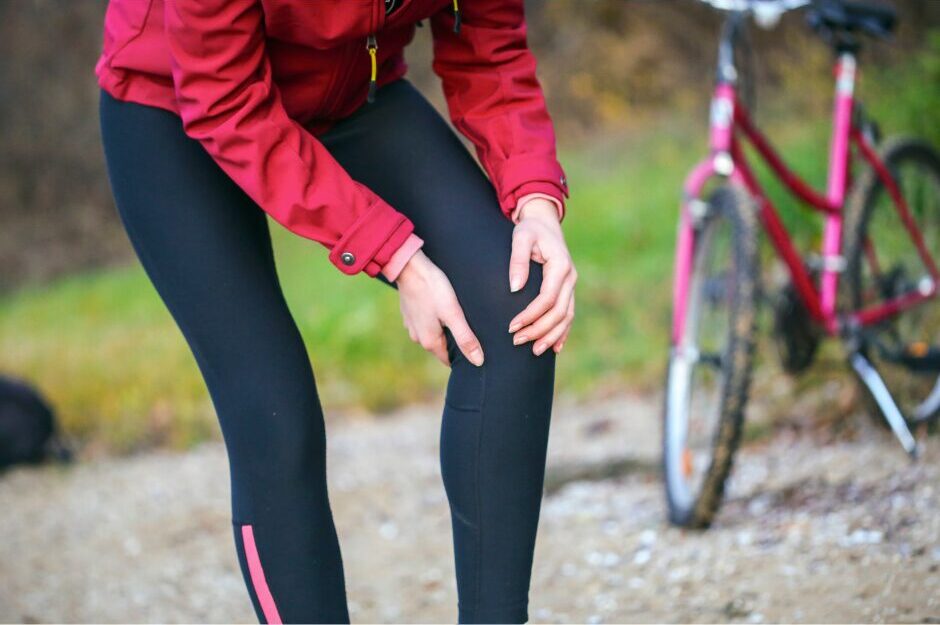
At our Osteopath clinic in Weston-super-Mare, we often see patients who come to us when something has already “gone wrong.” A back “goes out,” a shoulder pinches, or a knee starts to protest during a walk along the seafront.

While we are experts at fixing those immediate “snags,” there is a bigger conversation we need to have: Functional Longevity.

Over the last few months, we’ve been exploring the concept of the “Modern Primitive”—the idea that our bodies are designed for a rugged, ancestral lifestyle, but we live in a “waist-high” world of chairs, workbenches, and sofas.

As we move into May, we are looking at the long game. How do we ensure that the body you have today is still a vehicle for freedom when you are 70, 80, or 90?

Movement as an Investment

We often think of “getting old” as an inevitable slide into stiffness. But in many cases, what we call “age” is actually just decommissioned movement. If you don’t regularly tell your brain that you need to squat, reach, or balance, it simply stops maintaining those pathways.

Whether you are 25 or 75, your strategy for a “Forever Body” falls into one of two categories:

1. The Youth Strategy: Prevention

If you are currently mobile and pain-free, you are in the Prevention Phase. Your goal is to “bank” mobility now. Think of it like keeping a door hinge oiled; it is far easier to prevent rust than it is to fix a seized joint. By touching your “Ancestral Standards” (like a deep squat or a single-leg balance) for just two minutes a day, you are future-proofing your independence.

2. The Later-Life Strategy: Restoration

If you’ve noticed your world “shrinking”—perhaps you avoid the floor or feel wobbly on uneven ground—you are in the Restoration Phase.

It is a myth that you “can’t reclaim” lost movement. By starting small and consistently challenging your nervous system, you can tell your body to “re-calibrate.” Restoration isn’t about becoming an athlete; it’s about having the confidence to play with grandkids, enjoy our Somerset countryside, and live without the fear of limitation.

How We Help at Pure Health Osteopath Clinic

Sometimes, you can’t just “move more” because a physical blockage is in the way. An old ankle injury might be blurring your balance, or a stiff ribcage might be stopping your “Ancestral Reach.”

That is where Osteopathy comes in. Our role is to identify those mechanical “brakes” and release them. By clearing the path, we make your daily movement habits more effective, helping you build a body that lasts a lifetime.

Are you ready to future-proof your movement?

Whether you’re a manual worker at a workbench or spending your days at a desk, we’re here to help the people of Weston-super-Mare stay mobile, capable, and pain-free.

Book Online

Filed Under: Uncategorized

Unlocking Longevity: The Power of Physical Activity

February 9, 2024 by PureHealth

In an era where life expectancy is at its peak, the prospect of living well into our 80s and 90s seems like a dream come true. However, the harsh reality often falls short of this ideal. Many individuals find themselves grappling with health issues and a diminished quality of life as they age. From financial strains to physical and emotional burdens on their families, the golden years may not always shine as brightly as anticipated.

Yet, amidst these challenges, there lies a beacon of hope: the transformative power of physical activity. At Pure Health Osteopath Clinic, we recognise the profound impact that regular exercise can have on enhancing longevity and overall well-being. It’s not just about staying fit; it’s about reclaiming control of your health and vitality.

Research has shown that physical activity is a formidable ally in the battle against chronic conditions. From coronary heart disease to stroke, type 2 diabetes, and cancer, exercise has been proven to prevent and manage over 20 common health issues. Moreover, its benefits extend far beyond physical health, encompassing mental well-being and musculoskeletal function.

Contrary to popular belief, you don’t need to be a fitness enthusiast to reap the rewards. Simple activities like walking, gardening, or engaging in active play can significantly improve your health outcomes. On the flip side, sedentary behavior poses a grave risk, comparable to smoking and obesity. It’s not just about the absence of physical activity; it’s about the detrimental effects of prolonged sitting and low energy expenditure.

By prioritising physical activity, you’re not just investing in your future; you’re safeguarding your present. Even moderate exercise can yield substantial benefits, from reducing the risk of mortality to enhancing overall quality of life. Whether you’re aiming to prevent disease or manage existing conditions, the path to wellness begins with a single step.

Ready to embark on your journey to optimal health? Follow us on FaceBook and keep an eye out for “Live Longer and Stronger” campaign (launching 15th February) where you can access our Gold Standard Physical Activity Recommendations leaflet for tailored exercise advice tailored to your needs. Take charge of your well-being today and unlock the secrets to a longer, healthier life.

Filed Under: Uncategorized

Setting the Record Straight: Myths and Realities of Osteopathy

January 6, 2024 by PureHealth

Osteopathy plays a crucial role in many people’s recovery processes. But like many health-related fields, it’s surrounded by myths that can lead to misconceptions. Misunderstandings about Osteopathy can sometimes delay or hinder proper treatment. In this article, we’ll set the record straight on some common myths to help ensure you get the most out of your Osteopathic experience.

Myth 1: “Osteopathy is only for injuries.”

Many think you should only turn to Osteopathy if you’ve suffered an injury. However, limiting it to just this context misses a broader picture of its benefits.

Osteopathy isn’t solely about mending what’s broken. A key aspect is prevention. By attending regular sessions, potential issues can be flagged and tackled early on, reducing the risk of serious problems down the line. Everyday individuals as well as athletes will benefit, experiencing better movement, posture, and less day-to-day discomfort.

Moreover, Osteopathy is a vital tool for those with on-going health issues, like arthritis or chronic back pain. Through tailored exercises and techniques, it aids in alleviating pain and making daily tasks more manageable.

An often-overlooked role of the Osteopath is to educate. By understanding their body and its nuances, patients are better equipped to handle issues themselves, leading to longer-term well-being.

In a nutshell, while injury recovery is a component of Osteopathy, its scope is much wider, promoting better health, prevention, and overall well-being.

Myth 2: “Treatment is painful and makes conditions worse.”

One of the reservations some people have about Osteopathy is the fear of pain. The old saying, “no pain, no gain,” might still sound familiar, but when it comes to Osteopathy, this is a very out-dated belief.

While there might be moments of discomfort during certain treatments, the goal is never to induce pain. In fact, the whole purpose of Osteopathy is to reduce pain and facilitate healing. If something does cause discomfort, it’s a sign that the approach needs adjusting. Osteopaths are trained to recognize these signals and modify treatments accordingly.

It’s also worth noting that any initial discomfort usually stems from the body’s adjustment to new movements or treatments. This doesn’t mean the condition is worsening. On the contrary, these are often signs of progress and the body’s path to recovery.

In short, proper Osteopathy is a healing process. It’s about working with the body, not against it. If there’s discomfort, it’s a prompt for the Osteopath and patient to communicate and make necessary changes, ensuring the most effective and comfortable recovery journey.

Myth 3: “I can use Dr. Google and do my own rehab exercises at home without guidance.”

The internet is full of DIY tutorials for just about everything, including rehab exercises. While it’s good to take charge of your own health, there’s a crucial factor often missed: the expertise of a professional.

Sure, you can find exercises online tailored to specific injuries or ailments, but without a trained eye to guide and correct, it’s easy to make small mistakes. These mistakes, though they might seem minor, can lead to further complications, incorrect healing, or even new injuries.

Osteopaths don’t just instruct on which exercises to do; they provide guidance on how to do them correctly. They monitor progress, adjust techniques when needed, and offer advice tailored to individual needs. Remember, what works for one person might not work for another. Having an Osteopath ensures the therapy is catered to your unique situation.

In essence, while self-management is a positive trait, rehab is one area where professional guidance is invaluable. It’s not just about doing the exercises; it’s about doing them right.

Myth 4: “Osteopathy is just about treatment.”

Some people, when thinking of osteopathy, immediately picture treatments or therapy sessions. But there’s much more to it.

Osteopathy does incorporate hands-on treatment, but it’s not limited to that. It’s a comprehensive approach to healthcare that addresses the root causes of your issues. For instance, manual techniques, where hands-on manipulation helps in relieving pain or improving function, are a staple in many treatment plans.

Additionally, patient education is a massive component. As Osteopaths, we spend time explaining conditions, answering questions, and guiding patients on lifestyle choices that might impact their recovery or general health. This knowledge transfer ensures our patients are informed and can make choices benefiting their long-term health.

Furthermore, depending on the condition or injury, we might employ treatments like heat or cold therapies, acupuncture, or rehabilitation advice.

To sum it up, Osteopathy is a diverse field with a range of techniques to aid in recovery and health. Reducing it to just treatments overlooks the breadth and depth of care it offers.

Myth 5: “Surgery is a quicker and more effective solution.”

We understand the allure of seeking a quick fix. Surgery might seem like a direct approach to addressing an issue, but it’s essential to consider the bigger picture.

Firstly, surgery is not without its risks. While medical advances have made surgeries safer, every surgical procedure carries potential complications. Secondly, surgeries, especially the invasive ones, often come with a lengthy recovery time. And guess what? That recovery frequently involves physical therapy sessions to regain strength, mobility, and function.

Now, don’t get me wrong. There are cases where surgery is the best or even the only option. But there are also numerous instances where Osteopathy can either prevent the need for surgery altogether or significantly improve post-surgical outcomes.

It’s also worth noting that surgery often addresses the symptom – the immediate problem – but not always the cause. Osteopathy looks at the body holistically. We aim to understand the root of the issue and address it, reducing the chances of recurring problems.

So before deciding that surgery is the quickest or most effective route, let’s discuss your options. It’s vital to make an informed choice that considers both immediate and long-term effects.

Conclusion: Making Informed Choices in Your Osteopathic Journey

Misconceptions can easily steer anyone off course, especially when it comes to our health. Hopefully by debunking some of these common myths about Osteopathy, we’ve provided you with a clearer understanding of the entire Osteopathic process and its value. If you’re ever in doubt or need clarification on any aspect of your treatment or recovery, please feel free to reach out to us at any time. Either drop into the clinic in Weston Super Mare or give us a call. Your health and wellbeing deserve nothing but the best, most informed care.

Filed Under: Uncategorized

  • Page 1
  • Page 2
  • Page 3
  • Interim pages omitted …
  • Page 5
  • Go to Next Page »

Footer

Open Hours and Pricing

Mondays – Thursdays 8am-7pm
Fridays – 8am-5pm
Saturdays – 8am-2.30pm

Assessment and Treatment (first visit) £68
Follow up Treatments £55

Book Appointment

Contact Us

Address:
Rear of 141 High Street, Worle, Weston Super Mare, BS22 6HQ
Tel: 01934 752122

Book Online

Copyright © 2026 · Parallax Pro on Genesis Framework · WordPress · Log in

  • Online Booking
  • Our Osteopaths
  • Prices
  • Reviews
  • FAQ’s
  • Contact Us
  • Our Blog
  • Virtual Appointments